The best dental marketing strategies for 2026 are the ones rebuilt around four things that genuinely changed: patients now read an AI-written answer before they click anything, Google and Meta tightened healthcare ad rules in different directions, short video became where trust is earned rather than a bonus channel, and AI now picks up the calls a front desk cannot. The channel list itself is stable. What moved is the bar — and when we measured 832 US dental practice websites in September 2026, most of the market had not cleared it.
What changed by 2026 — and what stayed the same
If your 2024 plan is still running unchanged, two of its assumptions have quietly expired. The first is that ranking equals being found. A large share of patients now receive a written answer from ChatGPT, Perplexity or Google's AI Overviews and click only when that answer leaves something open. You are no longer competing for position one; you are competing to be the practice the answer names. The second is that a creative approved in one place is safe everywhere. Google and Meta revised their healthcare policies separately, and they no longer forbid or allow the same things. What did not change is the channel list — local search, paid search, short video, reviews, recall, referrals and a front desk that answers. That sequencing is already covered in our pillar on how to get more dental patients. Read this article as the 2026 patch on top of it, not a replacement for it.
Change 1: be the practice the AI answer names
Citability is a different job from ranking, and it is mostly mechanical. An assistant lifts a passage when three conditions are met: the page answers the question in its first two sentences instead of warming up for three paragraphs; the facts are stated plainly as entities a machine can resolve — procedure, city, insurance accepted, starting price, hours; and the same facts exist in structured data, so nothing depends on the model parsing your layout. That last point is where the market gap is widest. In our study of 832 US dental practice websites, 90.5% carried no review structured data at all — meaning a practice with four hundred genuine five-star reviews gives search engines and assistants nothing quotable to attach to its name. That is an afternoon of developer time, not a campaign, and it is the single most underpriced fix in dentistry right now.
Change 2: the ad rules moved, and they moved per platform
Most of the compliance advice circulating in dental Facebook groups is wrong in a specific, expensive way: it treats the two big platforms as one rulebook. They are not. Google prohibits before-and-after images of significant body changes, and weight-loss claims tied to a time frame. Meta is more permissive on imagery than most agencies assume — before/after for cosmetic procedures is allowed when the ad is targeted 18+ — while banning copy that shames a person's appearance, pinched-fat close-ups, and result timeframes stated without qualifiers. Prescription drug names are a third, separate track: in the US you may name them in Google ads and on landing pages without certification, but keyword-targeting them or prescribing through telehealth does require certification, plus LegitScript for telehealth. On Meta, an Rx-drug ad needs LegitScript certification, Meta authorisation, 18+ and US, Canada or New Zealand targeting. The practical 2026 workflow is one creative concept with two compliant builds, not one asset pushed everywhere and appealed after rejection. The full breakdown lives in our reference on Google and Meta healthcare ad rules.
Change 3: short video is now the trust channel, not the bonus channel
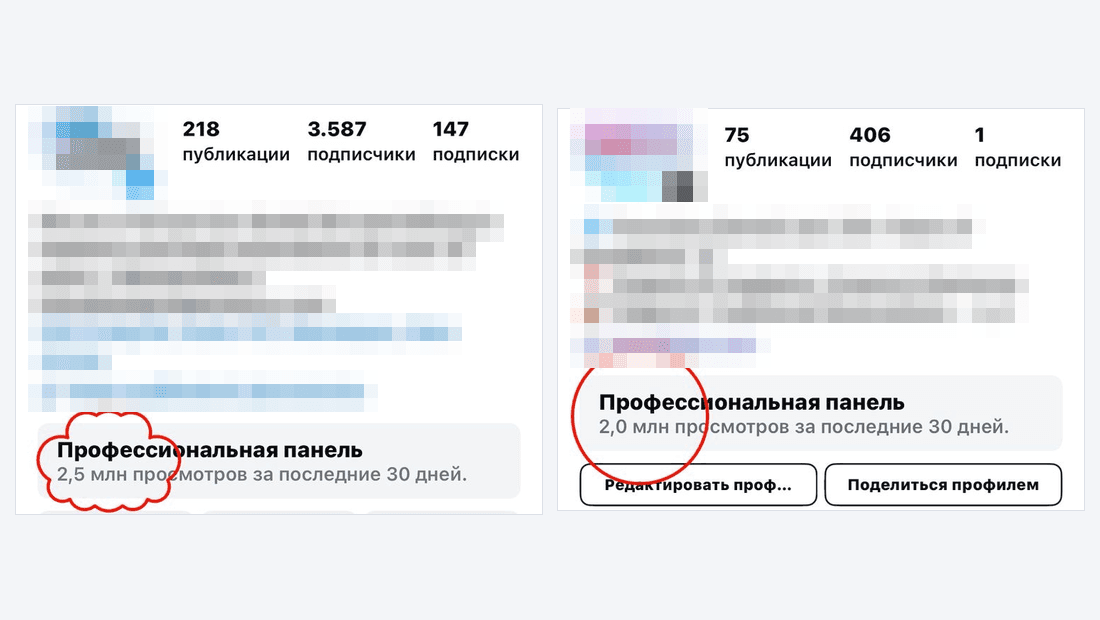
A few years ago video was something you added once the website and ads were done. In 2026 it is where the decision happens, because a prospective patient will watch a clinician explain a procedure long before they will read about one. The volume available is real: our Instagram work for two US dental companies produced 2.5M and 2.0M views in 30 days, with a single Reel reaching 1.9M. What those numbers do not show is the mechanism that matters to a practice — someone who has already watched you explain bone grafting arrives at the consult half-convinced, asks better questions, and negotiates less. Format decides everything here; a video nobody watches past the first second is the same as no video. The craft side is in our guide to dental reels that get patients. For reference, we produce short video from $1,400/mo, month-to-month.
Change 4: the front desk became partly software
Here is the uncomfortable arithmetic of 2026. The same 832-site study found 41.6% of practices with no online booking we could detect, which means the telephone is still the primary booking channel for most of the market — and a telephone is exactly what goes unanswered during a procedure, a lunch break or an evening. Every channel above pays for a call that nobody picks up. Until this year the only answer was hiring, and hiring a second receptionist for 6pm calls never penciled out. It does now: an AI receptionist that answers every call starts at $249/mo, books into your calendar, handles the five questions you get forty times a week, and escalates anything clinical to a human. It is not a replacement for your team. It is the reason your team stops being the bottleneck your advertising pays for.
Where the market is still behind — and why that is your opening
The most useful finding of our 832-site measurement was not what the leaders do. It was how much of the market has not done the basics. 74.2% of sites said nothing at all about price or financing, leaving patients to self-qualify by phone or simply leave. Median server response was 869 ms, and 15.3% took longer than two seconds before the first byte arrived — paid traffic bleeding out before the page even starts rendering. These were dental practice websites specifically, measured in September 2026; treat them as the competitive floor in your city rather than a law of nature. The opening is obvious: publishing a starting price, adding real online booking and getting your server under control are cheap, permanent, and they raise the conversion rate of every channel you already pay for. If you want to know which of them applies to your practice, our free 5-minute AI practice audit checks the same things we measured across those 832 sites.
The best dental marketing strategies for 2026, in priority order
If you are deciding where the next 90 days go, this is the order we would run it in:
- Fix the structural basics. Review and FAQ structured data, real online booking, a visible starting price, server response under a second. Cheap, one-time, compounding.
- Make three pages quotable. Your highest-value procedure pages, rewritten to answer the question in the first two sentences with plain, resolvable facts.
- Close the phone leak. Measure how many calls go unanswered this week, then decide whether it is a staffing or a software problem.
- Ship short video weekly. One clinician, one real patient question, consistent output — this is the slowest channel to start and the hardest to replace once it runs.
- Rebuild ad creative per platform. Two compliant builds of one concept, measured on cost per booked appointment rather than clicks.